Venice has a way of testing paint. The sun feels closer here, salt hangs in the air after an afternoon sea breeze, and lovebugs arrive twice a year as if someone flipped a switch. Anyone who drives a well kept Porsche down Tamiami Trail or a new S-Class across the Circus Bridge learns fast that Florida’s Gulf Coast is hard on finishes. Paint protection film, or PPF, gives luxury owners something durable between their investment and the local environment. Installed correctly and cared for with the same attention you give the rest of the car, PPF delivers real protection without changing the character of the paint.
What PPF really does on the Gulf Coast
Good PPF is a clear urethane film with an elastomeric top coat that resists impact and self heals minor swirls when warmed. On Venice roads this matters in three ways. First, sand and road grit lifted by passing traffic act like sandpaper at highway speeds, especially on front bumpers, rocker panels, and the rear arches. Second, insects and bird droppings bake quickly on hot panels. Third, UV is relentless. A high quality film blocks a large share of UV, shields from light chips, and gives you more time to remove corrosive contaminants before they bite.
I see the difference on cars that were delivered to clients with a front clip only versus full body coverage. On a 911 Targa that lived on Venice Island, the owner initially wrapped just the bumper and hood. After a year of beach runs and sunset loops, the doors and rear quarters had sand peppering and faint door dings that stood out during a routine auto detailing appointment. We expanded to full coverage with wrapped edges where possible, then ceramic coated the film. Two summers later, the paint under the film still read like new under inspection lighting, while the film, not the paint, took the brunt of the daily wear.
PPF and ceramic coating, together or separate
People often lump PPF and ceramic coating together because both promise protection and gloss. They are different tools. A ceramic coating is a thin, hard sacrificial layer with excellent chemical resistance and easier cleaning, but it does not stop rock chips. PPF is thicker and impact resistant, with a self healing surface. Many owners in Venice run both, film on high impact zones and a coating over the rest of the car. Others coat the film itself to improve hydrophobics and make lovebug removal less of a chore.
Here is a quick way to frame the decision without getting lost in marketing claims:
- PPF resists chips and scuffs, self heals light swirls, and adds a soft gloss or satin look depending on the film. It is thicker, typically 6 to 10 mils, and physically absorbs impact. Ceramic coating adds gloss and slickness, improves chemical resistance, and speeds up washing. It is thin, measured in microns, and will not stop chips. A well prepped car with PPF plus a ceramic top coat cleans easier, sheds water better, and still has impact resistance where it counts. If you drive a lot of highway miles or frequent new construction zones around Sarasota and North Port, prioritize PPF on the front, rockers, and luggage area. If your car is mostly a weekend cruiser in Lakewood Ranch with limited highway exposure, a robust ceramic coating on good paint can be enough, with PPF on vulnerable spots like door cups and the rear arches.
The mix depends on use, not just budget or brand loyalty. A Tesla Model S Plaid commuting from North Sarasota to Bradenton on I-75 will beat up its front clip quickly. A hand built classic that sees early morning cars and coffee meets in Palmetto might benefit more from full body film to guard fragile single stage or lacquer finishes.
How installers manage Venice specific hazards
Installers adapt their process to the region. On the Gulf Coast, prep matters more than anywhere I have worked because embedded salt and fine sand can hide in seams even on new vehicles. A proper decontamination wash with citrus pre-clean, pH balanced foam, iron remover for rail dust, and a clay pass is a baseline. Under shop lighting, we map out defects, then make a judgment call on paint correction. Light rotary work or a dual action with a refining pad will level minor transport marring and ensure the adhesive lays against clean, uniform clear. We avoid chasing deep defects near edges to protect thin clearcoat.
Patterns also matter. Pre cut kits have improved over the last five years, but a Venice car lives outside more often and shows edges faster. A good installer blends pre cut panels with custom bulk sections, then wraps edges into seams where safe. This keeps wind, sand, and wash flow from catching film lips on door edges or the lower rocker returns. On cars like the new Range Rover with complex lower sills, bulk wrapping lets us seam under the vehicle and keep the visible line tucked well out of sight.
The Clear Vision Mobile Detailing and Ceramic Coatings approach to film selection
For luxury cars that see coastal exposure, film choice is not just about how glossy it looks under showroom LEDs. Clarity, orange peel, and top coat chemistry show up in daily use. Some films skew too rubbery, creating a slightly wavy reflection on darker paints. Others run glassy but sacrifice stretch and make tight compound curves tricky, which then tempts the installer to cut short and leave exposed edges. We tend to choose films in the 8 mil range with a strong, chemical resistant top coat and consistent optical clarity. On matte or satin factory finishes, a dedicated matte film preserves the look without creating glossy hot spots that ruin the intent of the paint.
Clear Vision Mobile Detailing and Ceramic Coatings also matches film finish to how the owner lives with the car. A gloss film magnifies both good and bad polishing, so we only sign off after the paint correction looks right under both cool and warm color temperature lights, then again in natural sun. On lighter colors like Chalk and Nardo Gray, we watch for adhesive patterning in high humidity. In Venice summers, we stage installs earlier in the day or use controlled spaces to avoid trapping moisture.
What a careful PPF install looks like, step by step
A textbook install reads simple but demands patience. The car arrives washed, then we do a second decon in the bay to keep dust down. We pull badges or trim only if the vehicle allows it safely, and we protect any sensors or exposed electronics during slip solution spraying. Test fitting each panel matters. Stretch should be distributed, not concentrated at one corner. Edges get dry mounting and a different squeegee technique than the panel center because you want adhesive contact, not trapped solution.
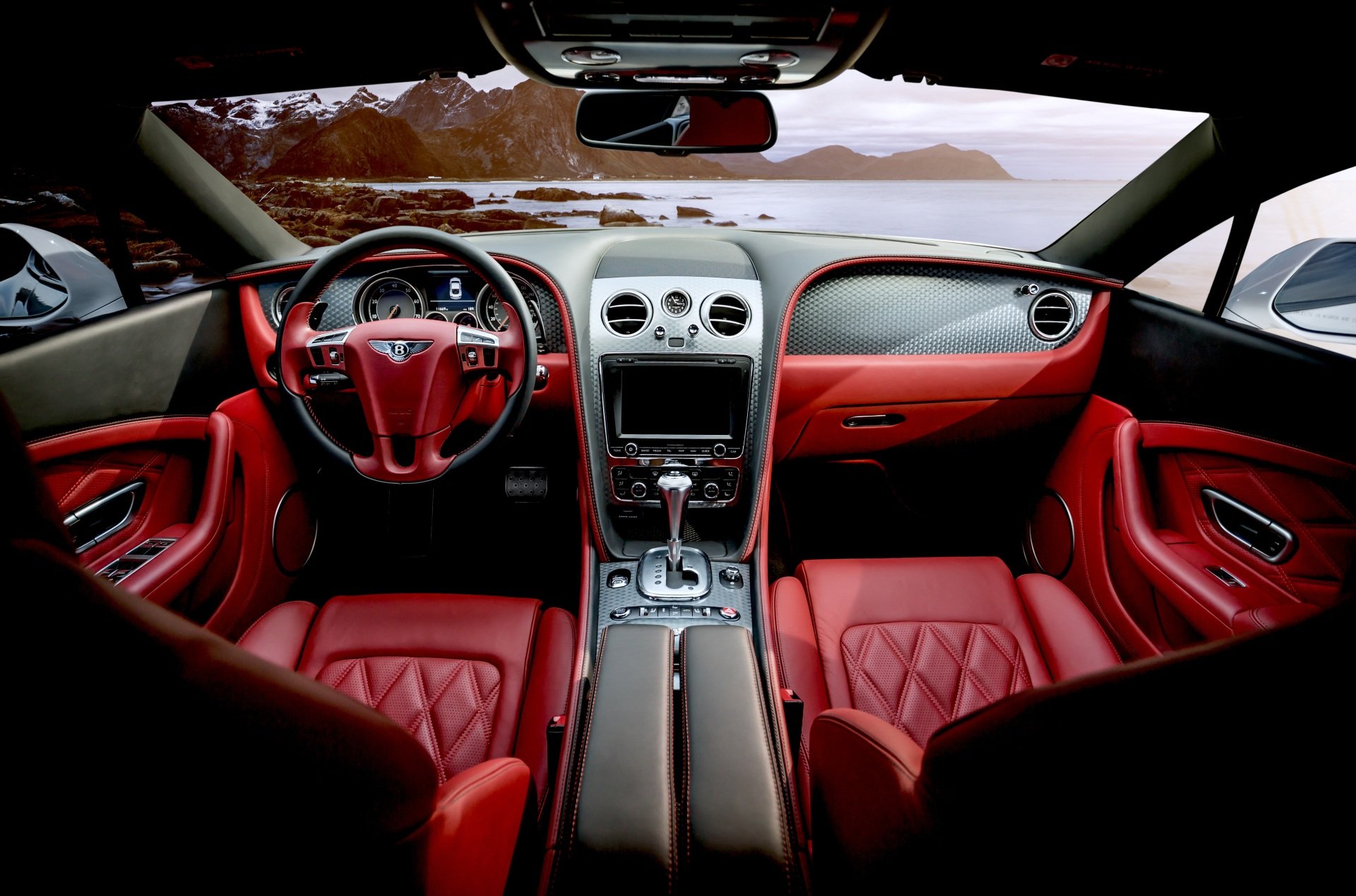
On cars with complex noses like a recent Ferrari Roma we protected for a Venice owner, we split the front clip into logically hidden seams: lower valance as one piece bulk wrapped, bumper main skin pre cut but with heat shaping to tuck into the headlight buckets, then a separate piece for the grill surround so tension stays neutral. The hood received a one piece pattern with fully wrapped edges and relief cuts hidden under the hood seal. After install, we heat set critical edges and let the car rest inside to allow solvents to flash. Only then do we add a ceramic coating to the film for better wash behavior.
Working with Clear Vision Mobile Detailing and Ceramic Coatings when you cannot stop your life
Not every owner can leave their car for days in a shop. Venice lifestyles run on early tee times, boat days, and quick getaways. Clear Vision Mobile Detailing and Ceramic Coatings operates as a mobile team for preparation and maintenance, and uses controlled spaces for the film lay to keep dust out and humidity in check. That hybrid model means we handle heavy prep and paint correction at your location in Sarasota, Lakewood Ranch, or North Port when appropriate, then transfer the car to a clean bay for film application. Communication is key. If your calendar only gives us a two day window, we plan a priority package, often full front plus rockers, then schedule a second session for doors and quarters to avoid rushing edges or seams.
We learned this rhythm supporting a client in auto car detailing Clear Vision Mobile Detailing and Ceramic Coatings detailing Venice who uses his AMG GT as a daily driver. Between work in Bradenton and family in Palmetto, the car could not sit for a full week. We broke the project into two clean windows around his travel. The result did not compromise on panel wrapping or correction quality, and the car never missed a day it was needed.
Venice specifics that shorten paint life if ignored
Salt is the silent enemy. It rides on sea breezes then crystallizes in panel gaps. When you wash a car that has been parked ocean side, you push saline water into seams unless you rinse thoroughly first. Over time, you will see staining around badges, trunk switches, and lower door seams. PPF acts like a shield at the edges, but the habit of a long pre rinse, especially under the rocker pinch welds and behind the wheels, keeps both film and paint healthier.
Lovebugs are the loud enemy. On late spring and early fall drives, they splatter in sheets on I-75 or River Road. Their enzymes etch quickly, particularly on hot clear coat. On film, the risk is lower, but not zero. You still want them off within a day. A quick detailer safe for PPF, clean microfiber, and gentle pressure will save a lot of polishing later. If you arrive home late, at least soak the front in a neutral shampoo and water solution to soften residue.
Heat amplifies everything. A black SUV with full body film parked outside on a Venice afternoon can exceed 150 degrees on the surface. That temperature softens the film’s top coat, which helps self healing, but also makes careless towel work risky. Always use plush, clean towels and avoid dry wiping. If you see faint towel trails in sunlight, do not panic. Most will lift with a gentle wash or a bit of sun exposure as the film relaxes.
Paint correction before film, and why restraint helps
Owners sometimes assume maximum correction is always best before protective film. You want the cleanest possible surface, yes, but you also want to preserve clear coat. Most modern luxury cars carry about 2 to 3 mils of clear. Heavy compounding that chases perfection on every panel can remove a surprising amount. We focus on visible zones - hood, roof, doors, quarters - and blend sensibly. PPF hides some minor texture and marring because of its optical properties, so it is smarter to refine rather than attack. On high value classics or repaints, we often take measurements panel by panel and choose a minimal approach. The story you want is uniform gloss and clarity under film, with enough clear left for the car’s future.
Where full body PPF earns its keep
A partial front has long been the standard. In Venice, the list of full body candidates is longer. Matte paint is the obvious one. Owners of factory matte BMWs and AMGs quickly learn that a stray section of road paint or a stubborn scuff is not something you can polish. Full body matte film preserves the look and gives you a path to remove contamination safely. Track toys that spend weekends at Sebring or Homestead benefit too. Rubber marbles and off track excursions throw debris where you least expect it, and PPF keeps that from turning into a repaint.
Daily driven exotics are the surprise entry. A McLaren that actually sees Publix runs and St. Armands lunches will take nicks on door skins from tight parking. Full body coverage reduces anxiety and keeps maintenance simple. We also like full body on lighter solid colors prone to staining, such as white and some pastels. The film’s top coat resists the faint greying that shows up around handles and trunk switches after a Florida summer.
Maintenance support from Clear Vision Mobile Detailing and Ceramic Coatings
Protection only pays off if you keep it clean. Clear Vision Mobile Detailing and Ceramic Coatings builds maintenance plans around how each owner uses the car. In auto detailing Sarasota neighborhoods with reclaimed water, we factor in spotting risk and bring proper filtration. In auto detailing North Port and Palmetto, we schedule lovebug season rinses that hit the front clip and mirrors between full washes. In Lakewood Ranch, where some HOAs restrict on driveway washing during drought advisories, we adapt by using rinseless techniques and blowers to move safely around the film without marring.
We also use ceramic coatings tailored to film on top of PPF when it fits the client’s habits. A film specific coating improves water behavior and makes rinseless maintenance more predictable. The goal is not a showroom queen that cannot be touched, but a driver that looks consistently excellent without drama.
A few Venice area case notes
A Ferrari Portofino that split time between a Venice Island garage and a Sarasota office needed to look right in both places. The owner loved open top drives on US 41 at dusk. The first season without film, the lower quarters showed rash from small stones kicked up by trucks. We mapped out a full front, rockers, and lower rear quarters, then corrected the paint to remove transport marring. The film saved the second season. Under LEDs during a ceramic coating refresh, the paint under the film measured unchanged and watermarking was limited to the film surface, which we corrected easily with heat and a mild detailer.
A Tesla in Lakewood Ranch lived on autopilot commutes, which meant it followed highway traffic at consistent distances and collected consistent chips. We went with a full front and A pillars, then coated the entire vehicle. The hydrophobics made the white paint simpler to keep stain free despite reclaimed water spotting in the community. The owner later added door edge film because parking at UTC Mall left tiny nicks. That addition took under an hour and eliminated a yearly paint pen ritual.
A Porsche Macan GTS in North Port had a matte factory package. The owner was nervous about cleaning it after hearing horror stories. We wrapped the entire car in matte film, coached the owner on safe wash technique, and set up biweekly mobile detailing. Two years in, the finish still read even and rich, with stubborn contaminants lifting easily.
How to keep PPF looking its best
You do not need to overcomplicate maintenance. A few habits have outsized impact in Venice conditions:
- Rinse thoroughly before touching the paint, especially after coastal exposure or lovebug runs. Pre soak bugs with a PPF safe cleaner and let dwell before contact. Use quality, pH balanced shampoos, clean mitts, and plush drying towels. Avoid aggressive brushes or cheap squeegees. Address bird droppings and bug residue within a day. If you cannot wash, at least soak and wipe gently with a dedicated towel. Skip automatic brushes. If you must use a tunnel wash while traveling, choose touchless, then reapply a spray sealant compatible with film. Schedule periodic inspections. A professional can re edge a lifting corner early, refresh top coat behavior with a topper, and spot treat contamination.
These basics extend film life and keep your car feeling new between full details.
Where local experience matters
Venice has quirks you only learn by working here. New construction around Wellen Park throws a steady stream of grit onto River Road. Summer storms plaster silt across I-75 then bake it to panels by noon. Lovebug swarms move north and south each season, peaking at different times around Sarasota and Bradenton. These rhythms inform how we plan installs and advise owners. If you drive daily through construction zones, we account for that with extra attention on rockers and rear doors. If your car sleeps outside near the Intracoastal, we map a rinse routine that keeps salt from collecting in hatch seams and cowl vents.
Auto detailing is not just about products. It is the quiet decisions about panel coverage, edge sealing, and when to choose bulk wrap over pre cut. Those choices separate film that looks great for six months from film that looks great for six years.
Training, tools, and the little things at Clear Vision Mobile Detailing and Ceramic Coatings
Clear Vision Mobile Detailing and Ceramic Coatings spends as much time on technique as on material. We replace squeegee blades constantly so a nick does not scar a fresh panel. We keep towels segregated by task so a wheel towel never touches paint. We route power cords and hoses under the car or hang them high to keep them off the film while wet. We label slip and tack solutions precisely because the wrong ratio creates silvering or limits repositioning on a hot day. These habits look obsessive if you only see one job. They make perfect sense when you watch how tiny errors multiply over a full vehicle.
We also document installs with panel maps and film batch numbers. If a cosmetic warranty claim ever arises, or if a panel needs replacement after a parking lot mishap in North Sarasota, we know exactly what was used and how it was installed. That traceability matters more than most owners realize until they need it.
Where PPF fits among broader care
PPF is one piece of a larger paint care picture. A well maintained vehicle in Venice benefits from a smart wash cadence, seasonal decontamination, and targeted paint correction only when necessary. Ceramic coating adds efficiency. Regular mobile detailing fills the gaps when life gets busy. If you move across the region - auto detailing Sarasota during the week, auto detailing Venice on weekends - coordinating care ensures consistency. Good documentation travels with the car and preserves value when it is time to sell.
I often think of PPF as the safety net that lets owners use their cars without fear. It will not make a neglected car perfect. It will not remove the need for careful washing. But it changes the calculus of daily use. You can park closer, drive farther, and wash faster. The paint underneath remains the star.
Final thoughts from the bay floor
If you own a luxury car in Venice, you are driving in a beautiful but unforgiving place. PPF is the most effective shield we can add without changing what you love about your car. The craft lies in preparation, film selection, install technique, and realistic maintenance. When those pieces line up, the results hold up against our sun, salt, and seasons.
Owners who have lived with film for a few years tend to say the same thing during a maintenance wash. They worry less. They enjoy the drives more. And when the time comes to remove the film and sell, the paint catches the light like it did the day the car arrived, which is the entire point of protecting an investment.